
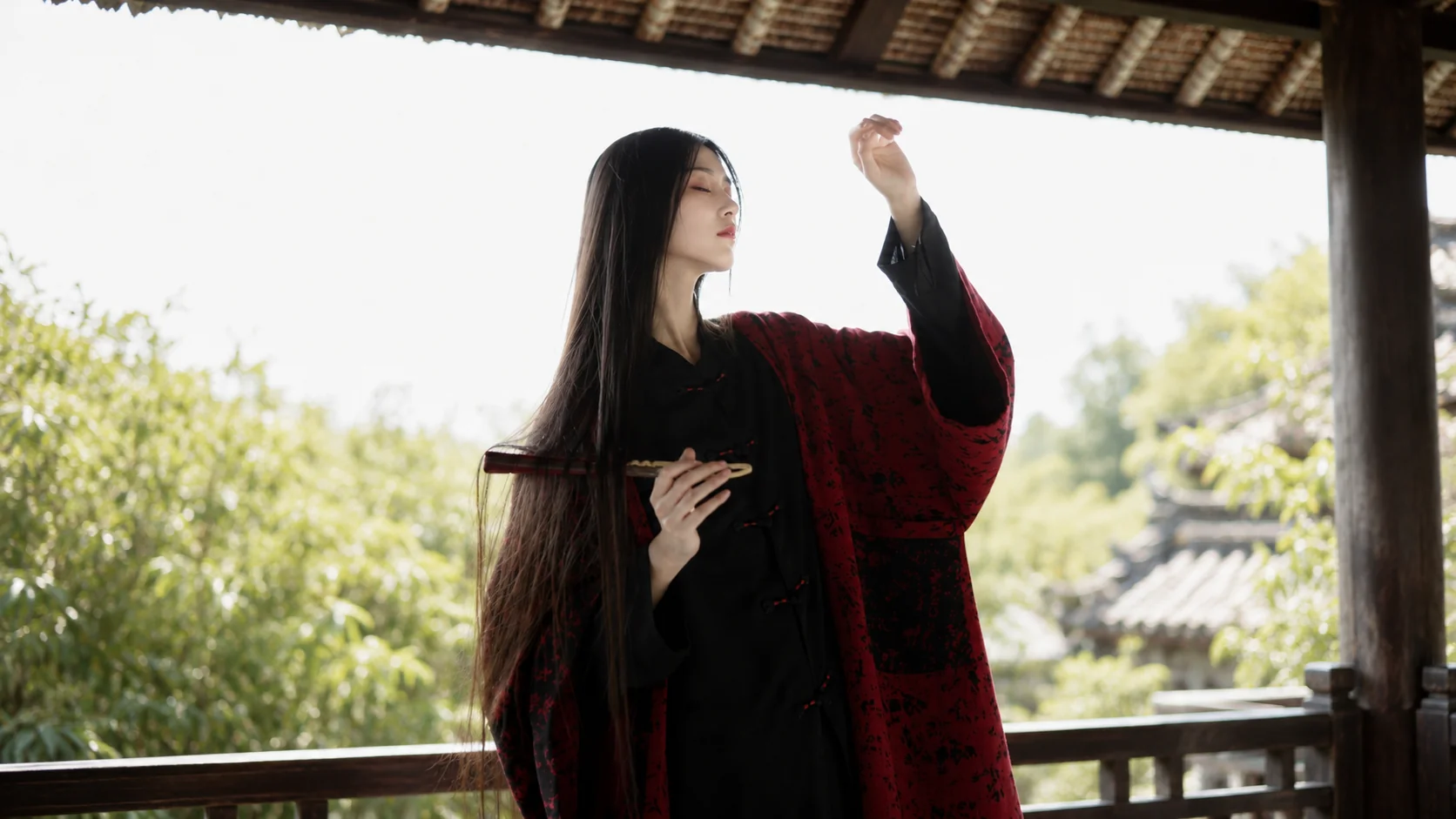
Walk through the streets of Tokyo and you will see something that no fashion capital in the world quite replicates. A teenager in a layered pastel outfit stands next to a businessman in a perfectly tailored suit. A woman in a silk kimono inspired wrap dress scrolls through her phone outside a convenience store. Everything looks intentional. Nothing looks accidental.
Japanese fashion has always been a fascinating contradiction deeply rooted in centuries of tradition yet constantly pushing the boundaries of what clothing can express. Over the last decade, it has moved far beyond Japan’s borders to influence runways in Paris, streetwear brands in New York, and everyday wardrobes across the globe.
Whether you are discovering Japanese style for the first time or looking to deepen your understanding of its many layers, this guide covers everything you need to know. From iconic subcultures to wardrobe essentials, styling tips, and where to shop.
What Makes Japanese Fashion Truly Unique
Japanese fashion is not a single aesthetic. It is a collection of philosophies about clothing, identity, and self-expression that have developed over generations.
At its core, Japanese style is guided by a few principles that set it apart from Western fashion trends. The first is the concept of ma, which refers to the idea of negative space and balance. In clothing, this translates to silhouettes that do not cling to the body, layering that creates visual depth, and an appreciation for what is left unsaid in an outfit.
The second principle is craftsmanship. Japan has a deeply ingrained culture of taking pride in the details. The quality of a seam, the weight of a fabric, the precision of a dye. This is why Japanese denim is regarded as some of the finest in the world, and why brands like Comme des Garçons and Issey Miyake earn international respect decade after decade.
The third principle is individuality within a community. Japanese street fashion subcultures have always celebrated bold personal expression, but within a recognizable visual language that connects people with shared values.
Japanese Street Fashion: The Subcultures That Changed Everything
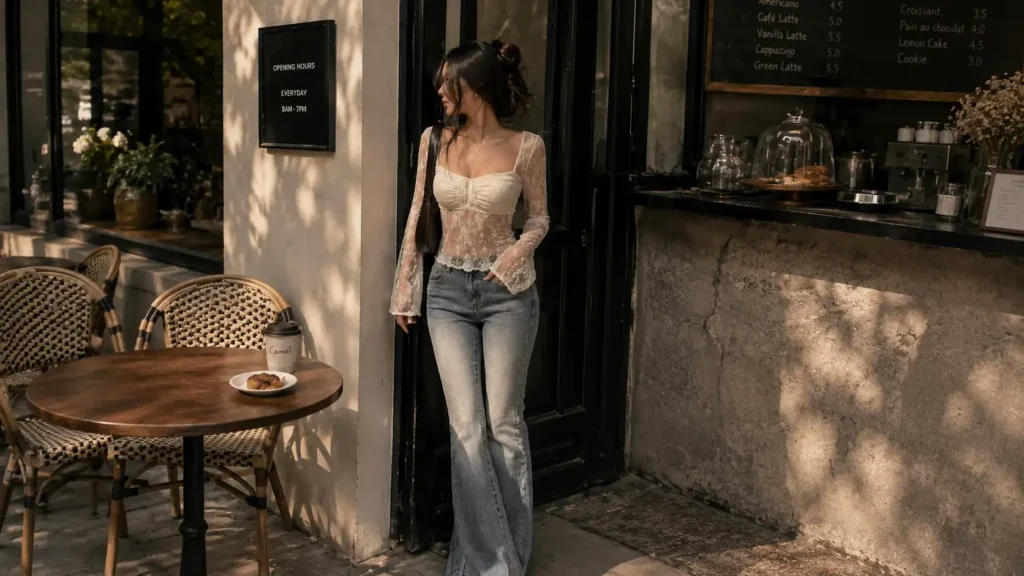
When most people think of Japanese street fashion, their minds go immediately to Harajuku, the Tokyo neighbourhood that became a global symbol of fearless self expression. But Japanese street style is far broader and more nuanced than any single district.
Harajuku Style
Harajuku fashion emerged in the 1980s as young Japanese people began mixing Western youth culture with local creativity. By the 1990s, the famous pedestrian stretch of Takeshita Street had become a laboratory for some of the most visually striking styles the fashion world had ever seen.
Decora, a look built on layering hundreds of colourful accessories, hair clips, and plastic toys, became a global talking point. Lolita fashion, with its Victorian inspired silhouettes, petticoats, and intricate lace details, developed devoted communities worldwide. Visual Kei, born out of Japan’s rock music scene, blended dramatic makeup, elaborate hair, and gender fluid clothing into a look that influenced rock fashion globally.
What makes Harajuku style relevant today is not just its visual boldness. It is the attitude behind it. Wearing Harajuku inspired fashion is an act of deliberate creativity, a refusal to dress for anyone’s approval but your own.
Techwear and Functional Minimalism
A quieter but equally influential strand of Japanese street fashion is built around function. Brands like Descente Allterrain, Goldwin, and the globally recognized AColdWall have pushed the idea that clothing should work as hard as it looks good.
Techwear draws from Japanese workwear traditions including the carpenter pants, the fisherman’s smock, and the padded noragi jacket, and reinterprets them with modern technical fabrics and utilitarian hardware. The result is a look that feels simultaneously futuristic and deeply practical.
Streetwear and the Ura Harajuku Scene
In the 1990s, a group of designers working in the back streets of Harajuku created what would become the blueprint for global streetwear. Hiroshi Fujiwara, often called the godfather of streetwear, and brands like Neighborhood, WTAPS, and early Stüssy Japan collaborations established a vocabulary of oversized silhouettes, military references, and limited edition drops that brands like Supreme and Off White would later adopt for mainstream audiences.
Affiliate Product Table 1: Japanese Street Fashion Essentials
| Product Name | Key Features | Affiliate Link |
| Evisu Seagull Embroidered Denim Jeans | Japanese selvedge denim, signature seagull print, straight cut | Shop Now |
| Maharishi Upcycled MA1 Bomber Jacket | Recycled nylon, embroidered dragon motif, utility pockets | Shop Now |
| Yosuke Platform Lace Up Sneakers | Chunky platform sole, canvas upper, Harajuku street staple | Shop Now |
| Sacai Hybrid Layered Sweatshirt | Double layer construction, pleated back, oversized fit | Shop Now |
| Kapital Boro Patchwork Indigo Shirt | Hand stitched patchwork, indigo dyed cotton, relaxed fit | Shop Now |
The Minimalist Side of Japanese Fashion
Not all Japanese fashion is loud. In fact, some of the most globally influential Japanese style is built entirely on restraint.
Muji, the lifestyle brand whose name translates to no brand quality goods, built an international following by stripping clothing down to its most essential form. Clean cuts, neutral palettes, and natural fabrics form the foundation of the brand’s philosophy. Muji’s approach is that well made basics are the foundation of a thoughtful wardrobe.
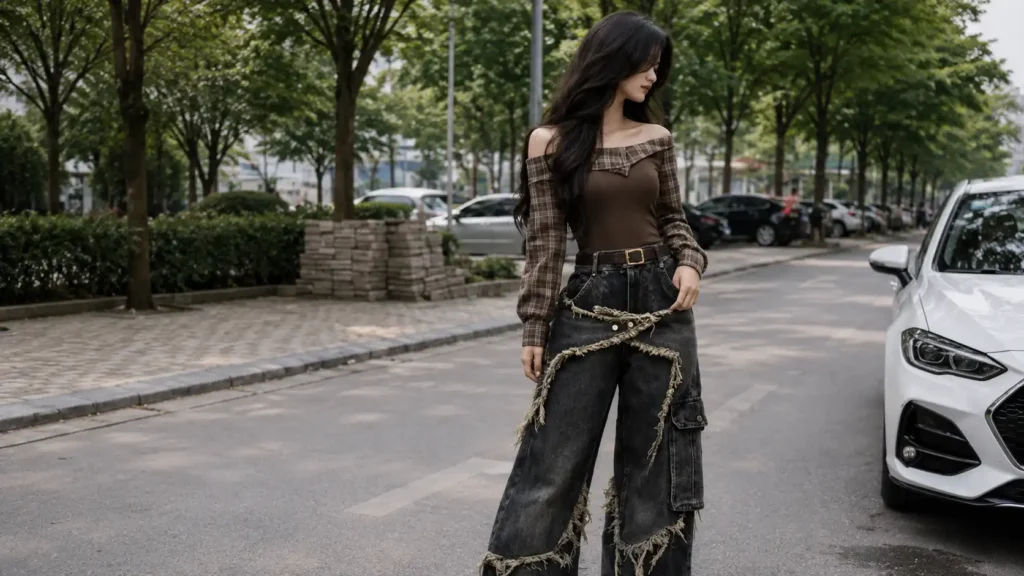
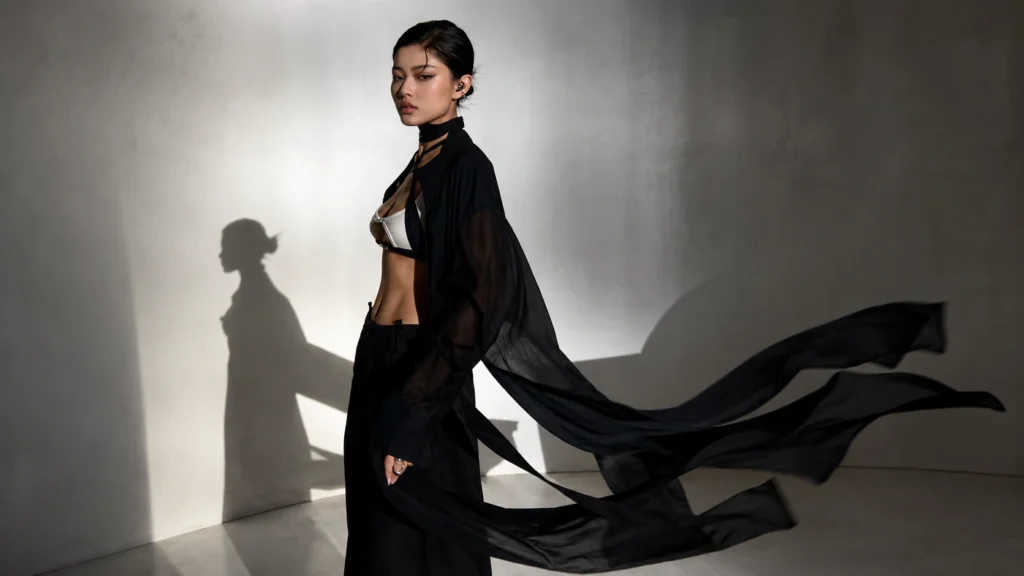
Designer Yohji Yamamoto took minimalism to a darker, more architectural place, building garments from black fabric that drape and wrap the body in ways that challenge conventional ideas of fit and beauty. His work, like that of his contemporaries at Comme des Garçons founded by Rei Kawakubo, asks a genuinely interesting question. What if clothing did not have to flatter in the traditional sense?
For everyday dressing, Japanese minimalism translates into a preference for neutral tones including black, white, navy, grey, and beige. Natural fabrics like linen, cotton, wool, and silk are preferred. Clean silhouettes with interesting proportions are favored over trendy cuts. Deliberate layering rather than matchy matchy coordination defines the look. Quality over quantity guides every purchase decision.
This approach to dressing is sustainable by default. When you buy fewer, better things and wear them in thoughtful combinations, you produce less waste and build a wardrobe that lasts.
Traditional Japanese Fashion Influences in Modern Style
One of the most exciting things happening in Japanese fashion right now is the thoughtful reintegration of traditional textile and garment making techniques into contemporary clothing.
The Kimono in Modern Wardrobes
The kimono is no longer reserved for ceremonies and special occasions. Contemporary Japanese designers and increasingly international brands inspired by Japan are drawing on the kimono’s construction principles to create modern garments. The crossover wrap front, the wide sleeve, the obi style belt, and the use of hand painted or printed silk have all appeared in recent collections from brands ranging from local Tokyo ateliers to international luxury houses.
Wearing a kimono inspired wrap dress or a haori jacket over a simple outfit is one of the easiest ways to bring Japanese fashion influence into a non Japanese wardrobe.
Boro and Sashiko: The Beauty of Repair
Boro is the Japanese tradition of repairing and patching worn textiles rather than discarding them. What began as a necessity for poor rural families, carefully stitching scraps of fabric together to extend the life of a garment, has become a celebrated aesthetic in its own right. The irregular patches and visible stitching create a visual texture that tells the story of a garment’s use and care.
Sashiko, the traditional Japanese running stitch used in boro repairs, has become a fashionable embellishment on denim, workwear, and accessories worldwide. Its geometric patterns including wave shapes, interlocking diamonds, and hemp leaves are both beautiful and structural.
How to Build a Japanese Inspired Wardrobe
You do not need to move to Tokyo or spend a fortune to incorporate Japanese fashion principles into the way you dress. Here is a practical approach that works for any budget and any lifestyle.
Start with quality basics in neutral tones. A heavy weight white cotton T shirt, well fitted dark trousers, and a clean pair of white sneakers form a foundation that works with virtually every Japanese aesthetic from minimalism to techwear.
Add one statement layer. Japanese dressing is built on layering. An oversized linen shirt worn open over a fitted base, a zip up track jacket under a longer coat, or a structured indigo denim overshirt all work well. The layer does the expressive work so the rest of the outfit can stay simple.
Invest in one quality accessory. Japanese fashion culture values craft enormously. A hand stitched leather wallet, a canvas tote from a respected brand, or a well made cap from a Japanese streetwear label will last years and communicate a genuine appreciation for quality.
Pay attention to fit, but Japanese fit rather than Western fit. Japanese fashion often plays with proportion in interesting ways. Trousers may be wide legged and cropped. Tops may be deliberately oversized. Jackets may have dropped shoulders. These proportions require confidence but reward it.
Affiliate Product Table 2: Japanese Minimalist Wardrobe Staples
| Product Name | Key Features | Affiliate Link |
| Uniqlo Premium Linen Relaxed Trousers | Breathable linen blend, wide leg, tapered ankle | Shop Now |
| Muji Washed Oxford Overshirt | Stonewashed cotton, dropped shoulders, chest pocket | Shop Now |
| Oni Denim Selvedge Raw Jeans | Ultra soft raw denim, slim tapered, Japanese loom woven | Shop Now |
| Nanamica GORE TEX Cruiser Jacket | Waterproof shell, clean minimal cut, technical fabric | Shop Now |
| Porter Yoshida Tanker Tote Bag | Nylon ripstop, structured base, Japanese made craftsmanship | Shop Now |
Japanese Fashion on the Global Stage
Japanese fashion’s global influence is now undeniable. Virgil Abloh frequently cited Japanese streetwear as a foundational reference for his work at Off White and Louis Vuitton. The entire resale and sneaker culture that drives billions of dollars in annual revenue was shaped largely by the limited drop model pioneered by Japanese streetwear brands in the 1990s.
K pop and Korean fashion, which have enormous global reach today, draw significantly from Japanese street fashion traditions, adding their own energy but acknowledging the aesthetic debt openly.
In everyday wardrobes worldwide, the influence shows up in the oversized hoodie, the wide leg trouser, the technical jacket, the carefully curated capsule wardrobe, and the growing appetite for Japanese denim, ceramics, and craft goods.
FAQ
What is Japanese street fashion called? The most well known Japanese street fashion scene is called Harajuku fashion, named after the Harajuku district in Tokyo, though broader terms like Gyaru, Visual Kei, and Techwear describe specific subcultures within Japanese street style.
Is Japanese fashion expensive? It ranges widely. High end Japanese designers like Issey Miyake and Yohji Yamamoto are luxury priced, but accessible brands like Muji, Uniqlo, and many Harajuku street shops offer excellent quality at everyday price points.
Can I wear Japanese fashion outside Japan? Absolutely. Japanese fashion principles including quality basics, thoughtful layering, interesting proportions, and respect for craft translate seamlessly into wardrobes anywhere in the world.
What are the most iconic Japanese fashion brands? Key names include Comme des Garçons, Yohji Yamamoto, Issey Miyake, Undercover, Neighborhood, A Bathing Ape, Uniqlo, and Muji, each representing a different dimension of Japanese fashion culture.
How do I start dressing in Japanese style? Begin with clean, quality basics in neutral tones, add one interesting layering piece, and focus on fit and proportion rather than logos or trends. Japanese style rewards intentionality over impulse buying.
Conclusion
Japanese fashion has endured and evolved for decades because it is grounded in something more durable than trend cycles. A genuine philosophy about how clothing relates to identity, community, craft, and daily life gives it staying power that seasonal trends simply cannot match.
Whether you are drawn to the fearless creativity of Harajuku street fashion, the quiet confidence of Japanese minimalism. the technical precision of techwear, or the beauty of traditional textile arts like sashiko and boro
The best thing about building a Japanese inspired wardrobe is that it encourages you to slow down, buy less, and choose better. These habits serve both your personal style and your wallet in the long run.